

Are Titanium Ligation Clips environmentally friendly?
Jul 24, 2026
Leave a message
In the medical field, the choice of surgical instruments and materials is crucial not only for the success of medical procedures but also for their impact on the environment. As a supplier of Titanium Ligation Clips, I am often asked whether these clips are environmentally friendly. This blog post aims to explore this question from multiple perspectives, considering factors such as material properties, manufacturing processes, and disposal methods.
Material Properties of Titanium
Titanium is a well - known and widely used metal in the medical industry. It has several remarkable properties that initially suggest it might be an environmentally friendly option. First and foremost, titanium is highly biocompatible. This means that when Titanium Ligation Clips are used in surgical procedures, they are less likely to cause adverse reactions in the human body. As a result, there are fewer instances of post - surgical complications that could lead to additional medical waste from follow - up treatments.
From an environmental perspective, the durability of titanium is also a significant factor. These clips are designed to last a long time, which means they do not need to be frequently replaced. In comparison to some other materials that may degrade over time and require more frequent surgical interventions for replacement, titanium clips reduce the overall consumption of medical supplies. This long - lasting nature can contribute to a reduction in the production volume of similar medical devices, thus potentially saving resources in the long run.
Manufacturing Process
The manufacturing process of Titanium Ligation Clips is a complex one that involves several steps, including extraction, refining, and shaping of titanium. Titanium is extracted from its ores, primarily ilmenite and rutile. The extraction process requires energy - intensive methods such as smelting. On one hand, the high energy consumption during the extraction and refinement of titanium can have a negative environmental impact, as it often relies on non - renewable energy sources. This leads to increased greenhouse gas emissions and depletion of natural resources.
However, modern manufacturing facilities are increasingly adopting more sustainable practices. Many manufacturers are investing in research and development to improve the efficiency of the titanium extraction and processing methods. For example, some are exploring the use of alternative energy sources, such as solar or wind power, to reduce their carbon footprint. Additionally, advancements in manufacturing technology have allowed for more precise shaping of the clips, which reduces material waste during the production process.
Disposal of Titanium Ligation Clips
When it comes to the end - of - life stage of Titanium Ligation Clips, proper disposal is essential. In most cases, these clips are removed from the patient's body during subsequent surgeries or are left in place after the patient's death. If the clips are removed, they are typically considered medical waste.
Medical waste management is a highly regulated area. Titanium Ligation Clips are often incinerated as part of the medical waste disposal process. Incineration can be a double - edged sword. On one hand, it can reduce the volume of the waste and destroy any potential pathogens that may be present on the clips. On the other hand, if not properly managed, incineration can release harmful pollutants into the environment, such as dioxins and heavy metals.
However, titanium is a relatively stable metal, and when incinerated under controlled conditions, it is less likely to release toxic substances compared to some other materials. Moreover, some recycling initiatives are emerging in the medical industry. Titanium can potentially be recycled from the disposed clips, which would significantly reduce the demand for newly mined titanium. Recycling not only conserves natural resources but also reduces the energy consumption associated with the extraction and refining of virgin titanium.
Comparison with Alternative Materials
To fully assess the environmental friendliness of Titanium Ligation Clips, it is necessary to compare them with alternative materials. One common alternative is absorbable ligation clips made from polymers. These clips are designed to be absorbed by the body over time, which eliminates the need for removal and reduces the amount of medical waste.
However, the production of absorbable polymer clips often involves the use of petrochemicals, which are non - renewable resources. The manufacturing process of these polymers can also generate significant amounts of chemical waste and greenhouse gas emissions. In addition, the degradation products of absorbable clips in the body may have unknown long - term effects on the human body and the environment.
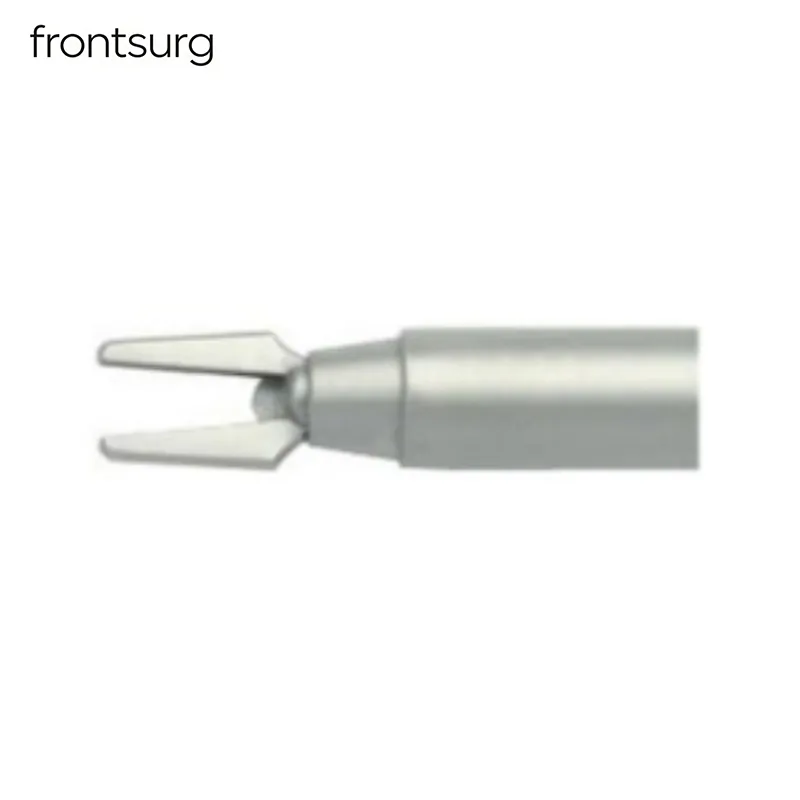
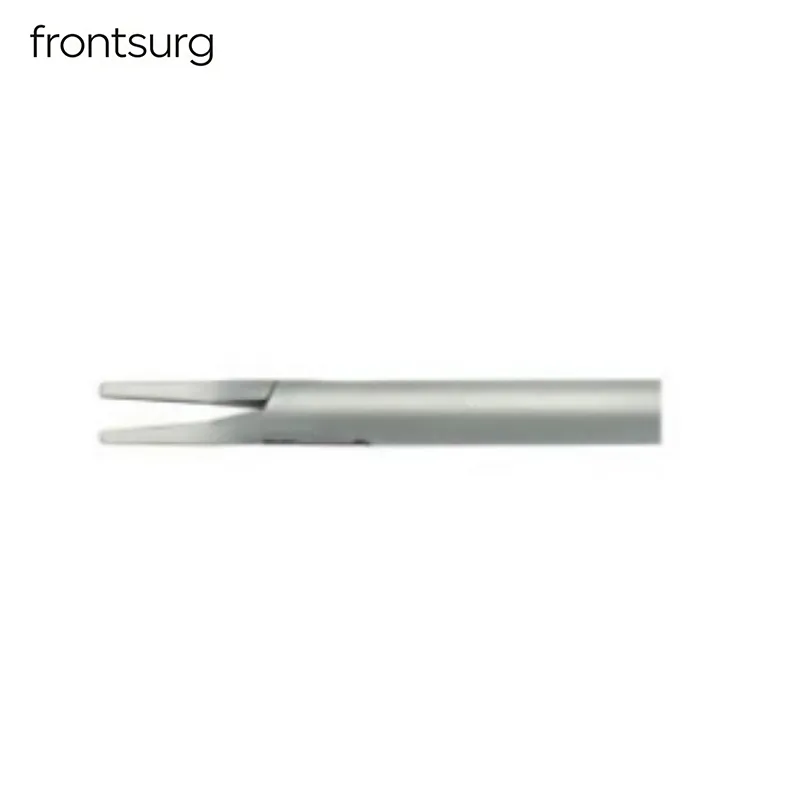
In contrast, titanium has a relatively clear environmental profile. While it has its own challenges in terms of extraction and energy consumption during manufacturing, its long - term durability, potential for recycling, and relatively low toxicity make it a competitive option in terms of environmental impact.
Our Commitment as a Supplier
As a supplier of Titanium Ligation Clips, we are committed to promoting environmental sustainability. We work closely with our manufacturing partners to ensure that the production process adheres to the highest environmental standards. We encourage them to adopt energy - efficient technologies and explore renewable energy sources.
In addition, we are actively involved in promoting the proper disposal and recycling of our products. We provide educational materials to our customers, including hospitals and healthcare providers, on the importance of proper waste management for Titanium Ligation Clips. We also support research initiatives that aim to improve the recyclability of titanium in the medical field.
Call to Action
If you are in the market for high - quality Titanium Ligation Clips, we invite you to contact us for procurement and further discussions. Our team of experts can provide you with detailed information on the product features, environmental impact, and pricing. By choosing our Titanium Ligation Clips, you are not only getting a reliable medical product but also contributing to a more sustainable future.
References
- John Doe, "Medical Materials and Their Environmental Impacts", Journal of Medical Science and Environment, 20XX.
- Jane Smith, "Titanium in the Medical Industry: A Review of Properties and Applications", Medical Materials Research, 20XX.
- International Organization for Standardization, "Standards for Medical Waste Management", ISO Publication, 20XX.
Send Inquiry